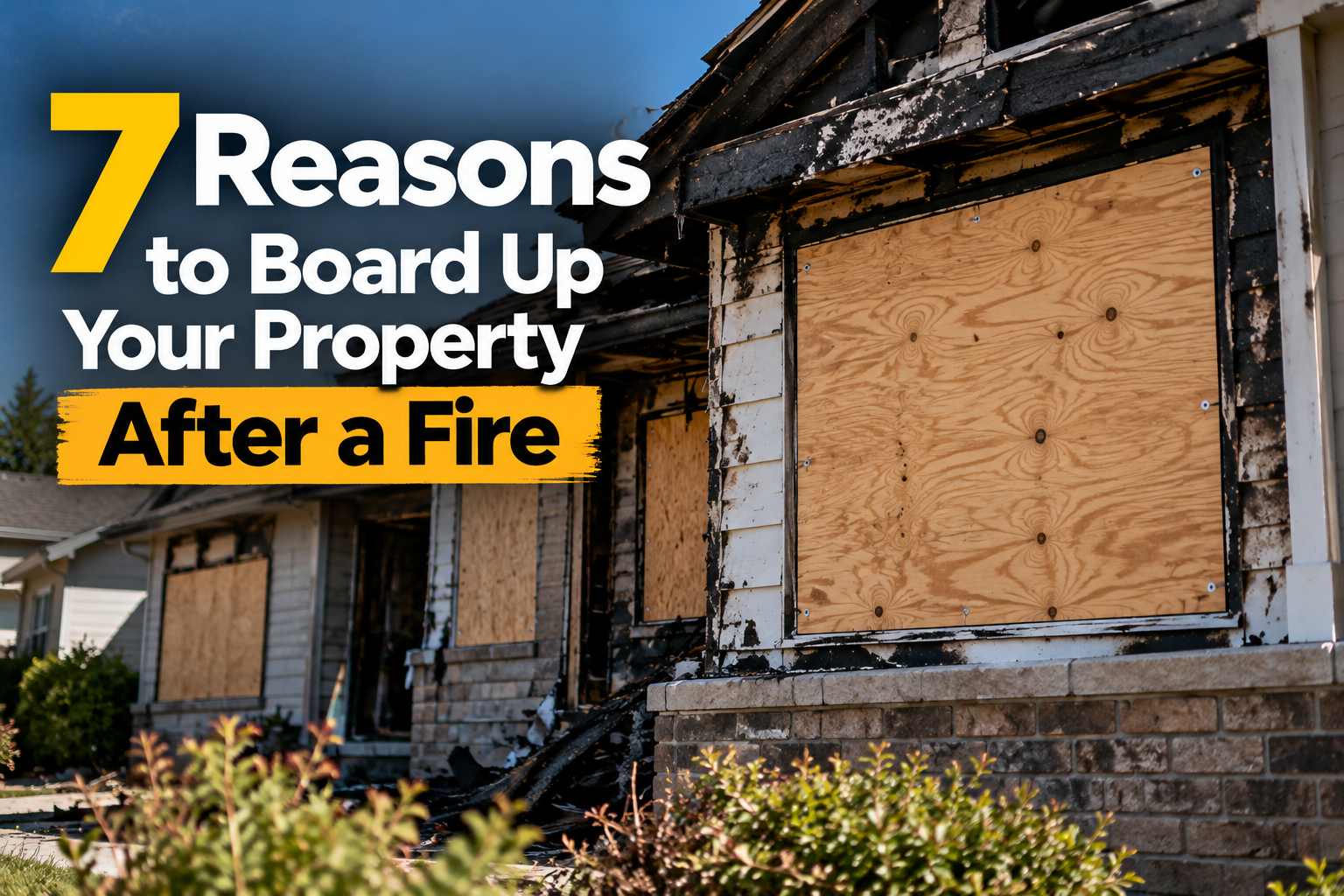

A fire can leave your home or business with broken windows, damaged doors, and exposed areas that need immediate attention. Even after the flames are extinguished, your property may still be vulnerable to weather, unauthorized entry, and additional damage.
It’s crucial to board up after a fire to prevent further damage and ensure safety.
Knowing when and how to board up after a fire is essential for effective property protection.
Emergency services can quickly board up after a fire, giving you peace of mind.
It’s important to board up after a fire to protect your property from additional risks.
When a fire occurs, knowing how to board up after a fire can be a lifesaver.
Taking immediate action to board up after a fire can greatly minimize damage.
It’s recommended to hire professionals to board up after a fire quickly.
Knowing when to board up after a fire can help protect your property while you plan the next steps in the restoration process.
Board up after a fire to safeguard your remaining belongings from further harm.
Emergency board-up services provide temporary protection for damaged windows, doors, and other openings. Here are seven important reasons to secure your property after a fire.
1. Protect Your Property from Rain and Weather
Don’t delay in finding a way to board up after a fire; it’s crucial for your safety.
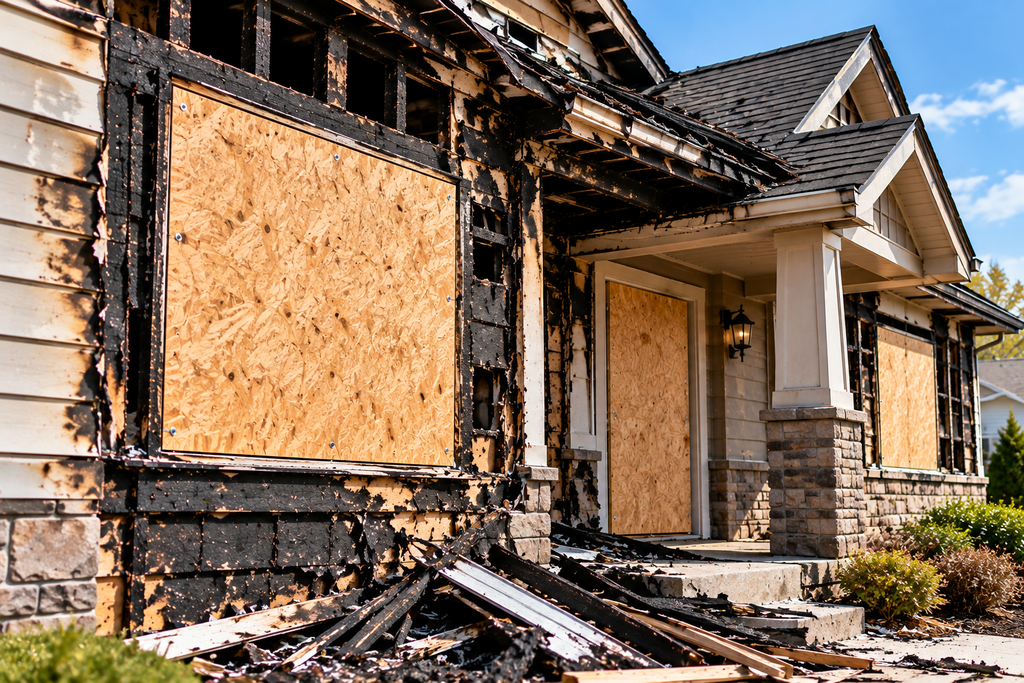
Fire can damage windows, doors, roofing, and exterior walls, leaving parts of your building exposed to the elements.
Understanding how to effectively board up after a fire can be challenging but essential.
Rain, wind, and other weather conditions can enter through these openings and cause additional problems. Water may affect flooring, drywall, insulation, and belongings that survived the fire.
Boarding up exposed openings helps limit weather intrusion while permanent repairs are being arranged.
Why it matters: Taking steps to protect exposed areas can help prevent additional property damage during the restoration process.
The best way to protect your property is to board up after a fire as soon as possible.
Many property owners find it necessary to board up after a fire to prevent further intrusion.
To maintain security, it is wise to board up after a fire immediately.
2. Help Prevent Unauthorized Entry
A fire-damaged property may have broken windows, damaged doors, or weakened entry points. These openings can make it easier for unauthorized people to enter.
During the restoration process, always remember to board up after a fire.
Professional board-up services help secure vulnerable areas with temporary barriers. This can provide an added layer of protection for your property, belongings, and surrounding area.
Insurance companies may require you to board up after a fire to protect your claim.
Make arrangements to board up after a fire, which is critical for securing the site.
Professionals know the best methods to board up after a fire to ensure safety.
If your home or business is vacant during restoration, securing openings is especially important.
3. Reduce the Risk of Additional Property Damage
Fire can weaken building materials and leave parts of a structure vulnerable. Openings in the building envelope may expose damaged areas to debris, moisture, or further deterioration.
A professional board-up helps cover exposed windows and doors while restoration specialists assess the damage and determine what repairs are needed.
Board-up protection does not repair fire damage, but it can help reduce certain risks while permanent work is planned.
4. Protect Remaining Belongings
Not everything inside a property is necessarily destroyed by fire. Furniture, appliances, documents, and personal belongings may remain in areas that were not directly affected.
However, an unsecured property can leave these items exposed to weather, debris, or unauthorized access.
Temporary barriers help secure openings and provide additional protection for belongings that remain inside. If items need to be removed, coordinate with qualified restoration professionals and follow fire officials’ instructions.
5. Help Keep People Away from Hazardous Areas
A fire-damaged building may contain broken glass, unstable materials, exposed wiring, or other hazards. Damaged structural components may also pose risks.
Board-up services can help restrict access through damaged openings. This may reduce the chance of someone accidentally entering an unsafe area.
Important: Board-up barriers are not a substitute for a safety inspection. Do not enter a fire-damaged property until the fire department or appropriate authorities have determined it is safe.
6. Support the Property Restoration Process
After a fire, property owners often need to coordinate inspections, cleanup, repairs, and insurance documentation.
Board-up services can provide temporary protection while these steps are underway. Once the property is secured, restoration professionals can evaluate the damage and develop a plan for cleaning, repairing, and rebuilding affected areas.
Depending on the damage, the restoration process may include:
- Assessing structural and fire-related damage
- Removing debris and damaged materials
- Addressing smoke and soot contamination
- Drying areas affected by firefighting water
- Repairing windows, doors, roofing, and other building components
Board-up is often an early protective step, not the final repair.
7. Provide Temporary Security While Permanent Repairs Are Planned
Fire restoration can take time. The repair schedule may depend on inspections, material availability, insurance decisions, and the extent of the damage.
Boarding up damaged openings helps keep the property secured while you work with contractors and restoration specialists.
Temporary protection can also help property owners manage the transition from emergency response to permanent repairs.
When Should You Arrange Board-Up Services After a Fire?
When in doubt, always consider how to properly board up after a fire.
Consider contacting a professional board-up company when fire damage has left windows, doors, or other exterior openings exposed.
How to Properly Board Up After a Fire
Understanding how to effectively board up after a fire is crucial for minimizing further damage. This process not only protects your property but also ensures safety during the restoration phase.
Before arranging service:
- Follow instructions from the fire department and local authorities.
- Do not enter the building if it has been declared unsafe.
- Contact your insurance company and document visible damage from a safe location, if possible.
- Ask a qualified board-up professional to assess exposed openings and recommend appropriate temporary protection.
If the building has structural damage, exposed electrical systems, or other hazards, those risks need to be evaluated by qualified professionals.
Why Choose Professional Emergency Board-Up Services?
Boarding up a fire-damaged property requires more than covering an opening. The damaged structure must be assessed, and temporary materials need to be installed in a way that provides appropriate protection without creating additional hazards.
Ultimately, knowing when to board up after a fire is essential for protecting your investment.
A professional emergency board-up company can help:
- Assess damaged windows, doors, and other openings
- Install temporary barriers suited to the property
- Secure vulnerable areas while permanent repairs are arranged
- Coordinate with restoration professionals when needed
To avoid further risk, you must board up after a fire in a timely manner.
The appropriate solution depends on the property’s condition, the size of the openings, and any safety concerns.
Many homeowners choose to board up after a fire to keep their homes safe.
Protect Your Property After a Fire
Fire damage can be overwhelming, but securing exposed areas is an important step toward recovery. Professional board-up services can help protect your property from weather and unauthorized access while you prepare for restoration.
If your home or business has been affected by a fire, contact a qualified emergency board-up and restoration provider to discuss the safest way to secure the property.
Need emergency board-up assistance? Contact [Your Company Name] to ask about securing fire-damaged windows, doors, and other exposed openings. Replace this text with your company’s actual contact information and service area.
Frequently Asked Questions
Taking immediate action to board up after a fire will help prevent further losses.
What is board-up service after a fire?
Board-up service is a temporary property protection measure that covers damaged windows, doors, and other openings with suitable materials to help secure the building during recovery.
Does board-up repair fire damage?
No. Board-up provides temporary protection. Permanent repairs, structural work, smoke cleanup, and other restoration services may still be necessary.
How long should a property remain boarded up?
The duration depends on the extent of the damage, safety requirements, and how soon permanent repairs can be completed. Temporary barriers should remain in place only as appropriate for the property’s condition and restoration plan.
Can I board up my own property after a fire?
Fire-damaged buildings may contain serious hazards, including unstable structures and damaged electrical systems. Follow fire department instructions and consult qualified professionals before attempting any work. Professional board-up services are often the safer option for damaged or unstable openings.
