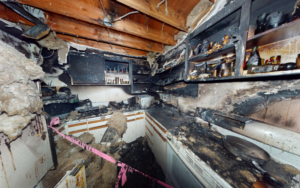


A house fire is one of the most devastating events a property owner can experience. Beyond the visible destruction, fire can leave behind hidden structural damage, smoke contamination, soot residue, and water damage from firefighting efforts. Knowing what to do next can help protect your family, preserve your property, and speed up the recovery process.
In the aftermath of a fire, it is crucial to have a clear understanding of the various types of damage that may have occurred. Beyond the immediate destruction caused by flames, there are several hidden dangers that can jeopardize the safety and integrity of your home. For instance, the heat generated during a fire can weaken structural elements, leading to potential collapses. Additionally, smoke can penetrate walls and other materials, making it essential to address not just the visible damage, but also the invisible effects.
Understanding the Impact of Fire Damage
Furthermore, the financial implications of fire damage can be significant. Homeowners may face costly repairs, increased insurance premiums, and the emotional toll of losing personal belongings. Understanding the comprehensive impact of fire damage can help homeowners prepare for the necessary steps in the restoration process.
Fire damage goes far beyond burned walls and destroyed belongings. After a fire, homeowners often face:
- Structural damage to walls, roofs, and support systems
- Smoke and soot contamination throughout the property
- Lingering odors that penetrate surfaces and materials
- Water damage caused by firefighting efforts
- Potential health risks from airborne particles and toxins
Professional fire damage restoration is essential to ensure the property is safe and fully restored.
Immediate Steps to Take After a House Fire
1. Prioritize Safety
Never re-enter a fire-damaged property until local authorities and fire officials declare it safe. Structural instability, electrical hazards, and toxic residues may still be present.
2. Contact Your Insurance Provider
When assessing the situation after a fire, it is also wise to consider the psychological effects. The stress of dealing with the aftermath can be overwhelming for many families, making it imperative to seek support not only for the physical restoration of the home but also for emotional healing.
Notify your insurance company as soon as possible. Document the damage with photos and videos to support your claim.
This safety precaution not only protects individuals from physical harm but also represents a critical first step in the restoration process. Once the authorities have cleared the site, the next steps become vital for both safety and recovery.
Understanding your policy details is essential, as different policies cover varying aspects of fire damage. Homeowners should also consider documenting any personal property that may be damaged, as this can significantly support the claim process.
3. Secure the Property
Board up damaged windows, doors, and exposed areas to prevent further damage from weather, vandalism, or unauthorized entry.
4. Begin the Restoration Process Quickly
Securing the property can also entail additional measures, such as contacting local law enforcement to report the incident and seeking advice on further protection strategies.
Each step in the restoration process is interconnected, meaning that delays in cleanup can exacerbate existing damage. Mold growth, for instance, can begin within 24 to 48 hours after water exposure, making rapid intervention crucial.
The longer soot, smoke, and water remain, the greater the potential for permanent damage. Fast action helps minimize restoration costs and reduces the risk of mold growth.
The Fire Damage Restoration Process
This initial assessment is not only about identifying visible damage but also involves assessing the safety of entering the structure. Restoration professionals utilize specialized equipment to determine the extent of damage that may not be immediately visible.
Emergency Assessment
Debris removal is crucial for both safety and beginning the restoration process. Heavy items may need to be removed with care, and any hazardous materials must be handled according to safety regulations.
Restoration professionals conduct a thorough inspection to evaluate structural integrity and determine the extent of fire, smoke, and water damage.
Removing smoke and soot requires specialized training and techniques, as improper cleaning can lead to further damage. Restoration experts are trained to handle these materials safely.
Debris Removal
Odor elimination can involve multiple techniques, including ozone treatments and thermal fogging, which penetrate materials to neutralize odors rather than simply masking them.
Water damage mitigation not only focuses on extraction but also involves monitoring humidity levels and implementing drying strategies to ensure that no moisture remains, which could lead to mold growth.
Burned materials, damaged contents, and hazardous debris are safely removed from the property.
Smoke and Soot Cleanup
Reconstruction may also involve modernizing outdated materials or systems, ensuring the home is not only restored but improved in safety and efficiency.
Specialized equipment and cleaning solutions remove smoke residue and soot from walls, ceilings, floors, and personal belongings.
Working with professionals can also help you navigate the complexities of insurance claims, as they understand the nuances of policy coverage and requirements for documentation.
Odor Elimination
Advanced deodorization techniques help eliminate persistent smoke odors trapped in building materials and furnishings.
Water Damage Mitigation
Any water used during firefighting efforts is extracted, and affected areas are dried to prevent mold growth and secondary damage.
Reconstruction and Repairs
The final phase includes rebuilding damaged areas, restoring structural components, and returning the property to its pre-loss condition.
Why Professional Fire Damage Restoration Matters
Attempting to clean up fire damage without professional help can expose homeowners to health risks and lead to incomplete restoration. Certified restoration specialists have the training, equipment, and expertise needed to:
In addition to visible signs, homeowners should be aware of subtle indicators that may signal underlying issues, such as discoloration in paint or wallpaper and fluctuations in temperature in certain areas.
- Identify hidden damage
- Safely remove hazardous materials
- Restore structural integrity
- Eliminate smoke odors
- Work directly with insurance providers
Professional restoration ensures your home is safe, clean, and ready for your family once again.
Common Signs of Hidden Fire Damage
Even areas untouched by flames may suffer from:
- Smoke staining on walls and ceilings
- Persistent smoky odors
- Warped flooring or drywall
- Electrical system damage
- Water intrusion and mold growth
A comprehensive inspection helps uncover these hidden issues before they become larger problems.
Need Fire Damage Restoration Services?
Seeking professional help is not only advisable for the immediate aftermath but can also provide long-term peace of mind, knowing that you’ve taken the necessary steps to protect your home and family.
Recovering from a fire can feel overwhelming, but you don’t have to face it alone. Experienced restoration professionals can guide you through every step of the process—from emergency response and cleanup to full reconstruction.
Engaging with restoration experts allows homeowners to focus on their emotional recovery while ensuring the physical aspects of their home are being addressed effectively and efficiently.
If your home or business has suffered fire damage, contact a trusted fire restoration company immediately to begin the recovery process and restore peace of mind.