
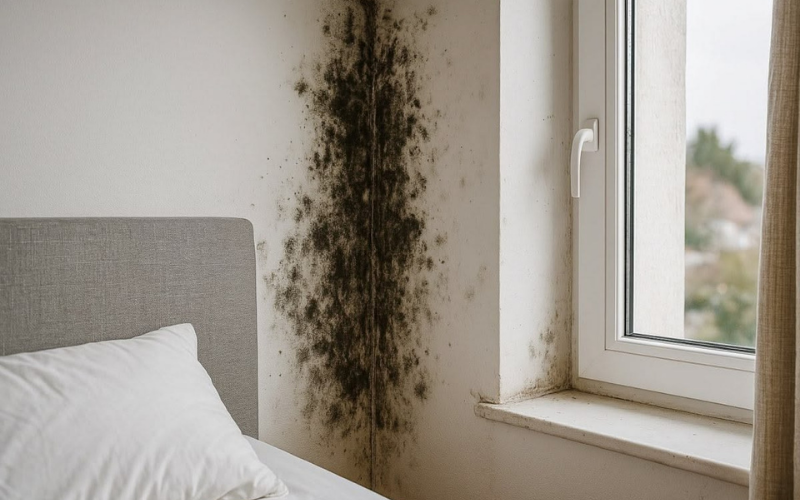

Mold can appear in your home before you even realize there is a moisture problem. A musty smell, dark spots on walls, discoloration around windows, or recurring moisture can all be signs that mold may be growing somewhere in your home.
The good news is that mold can be addressed when you identify the source of the moisture and take the right steps to clean and restore the affected area.
In this guide, we’ll explain mold remediation, what causes mold growth, when professional mold removal may be necessary, and what you can do to help prevent mold from coming back.
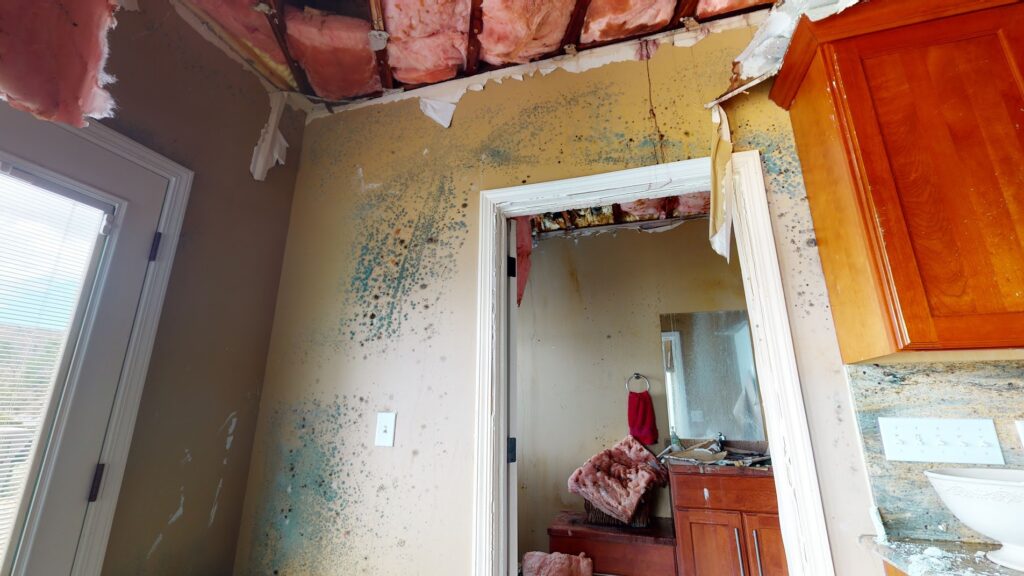
What Is Mold Remediation?
Mold remediation is the process of identifying, containing, removing, and cleaning mold-affected areas while also addressing the moisture source that allowed the mold to grow.
Simply cleaning visible mold is not always enough. If a leak, excess humidity, condensation, or another moisture problem remains, mold can return.
The U.S. Environmental Protection Agency (EPA) emphasizes that moisture control is the key to controlling indoor mold.
A proper mold remediation process may include:
- Identifying the source of moisture
- Inspecting affected areas
- Containing the affected space when appropriate
- Removing mold-contaminated materials
- Cleaning affected surfaces
- Drying the area thoroughly
- Addressing the underlying moisture problem
- Restoring affected areas when necessary
What Causes Mold Growth?
Mold spores are naturally present in the environment. They become a problem indoors when they encounter moisture and suitable surfaces for growth.
Common causes of indoor mold include:
1. Plumbing Leaks
A leaking pipe, water heater, appliance, or fixture can create hidden moisture behind walls, under flooring, or inside cabinets.
Even a small leak can become a mold problem if the affected materials remain wet.
2. Roof Leaks
Roof leaks can allow water to enter ceilings, attics, insulation, and walls. Mold may continue growing in areas that are difficult to see.
3. High Humidity
Excess indoor humidity can create conditions that encourage mold growth, particularly in bathrooms, kitchens, basements, and other areas with limited ventilation.
4. Flooding or Water Intrusion
Flooding can leave building materials and belongings wet for extended periods. The EPA recommends drying wet or damp materials as quickly as possible, ideally within 24 to 48 hours, to help prevent mold growth.
5. Condensation
Condensation on windows, pipes, walls, and other cold surfaces can create enough moisture for mold to grow over time.
Signs You May Have a Mold Problem
Mold isn’t always immediately visible. Look for these warning signs:
- Musty or earthy odors
- Dark, green, white, or brown spots
- Discoloration on walls or ceilings
- Peeling paint or wallpaper
- Water stains
- Persistent dampness
- Condensation
- Mold returning after cleaning
- Areas that have recently experienced leaks or flooding
A musty smell combined with a history of water intrusion can sometimes indicate mold growing in a hidden location.
Mold can grow behind drywall, wallpaper, ceiling materials, carpets, furniture, and inside walls around plumbing.
Why Does Mold Keep Coming Back?
One of the most common reasons mold returns is that the underlying moisture problem was never fixed.
For example, cleaning mold from a wall without repairing the leaking pipe behind it may only provide a temporary solution.
The EPA recommends addressing the water or moisture source as part of mold cleanup.
If mold keeps returning, consider looking for:
- Plumbing leaks
- Roof leaks
- Poor ventilation
- High indoor humidity
- Condensation
- Drainage problems
- Previous water intrusion
- Moisture behind walls or under flooring
Finding and correcting the source is an important part of effective mold remediation.
Can You Clean Mold Yourself?
Small areas of mold on hard surfaces may sometimes be cleaned using appropriate precautions and cleaning methods.
The EPA recommends cleaning mold from hard surfaces with detergent and water and drying the surfaces completely. Porous materials such as carpet and ceiling tiles can be more difficult to clean because mold can grow into their spaces and may require removal.
However, professional help may be appropriate when:
- The affected area is extensive
- Mold has spread into multiple areas
- There has been significant water intrusion
- Mold is hidden behind walls or other materials
- Sewage or contaminated water is involved
- The HVAC system may be contaminated
- You are unsure how extensive the problem is
The EPA notes that areas larger than approximately 10 square feet may warrant professional assistance, particularly when there has also been significant water intrusion.
Why Professional Mold Remediation Matters
Professional mold remediation focuses on more than simply removing visible mold.
A trained restoration professional can help identify where moisture is coming from, determine which materials are affected, safely remove contaminated materials when necessary, and dry the affected area.
This is especially important when mold is hidden or when the moisture problem has affected walls, ceilings, flooring, insulation, or other building materials.
A professional approach can also help reduce the risk of spreading mold spores into unaffected areas during cleanup.
How to Prevent Mold From Returning
The best way to prevent mold growth is to control moisture.
Here are several practical steps homeowners can take:
Fix Leaks Quickly
Repair leaking pipes, roofs, appliances, and fixtures as soon as possible.
Dry Wet Areas Quickly
Dry wet materials and surfaces promptly after a leak, spill, or water intrusion. The EPA recommends drying wet or damp materials within 24 to 48 hours when possible.
Control Indoor Humidity
Keep indoor humidity levels under control. The EPA recommends maintaining indoor relative humidity below 60%, with an ideal range of approximately 30% to 50%.
Improve Ventilation
Use exhaust fans in bathrooms and kitchens to help reduce moisture in the air.
Watch for Condensation
If you notice water collecting on windows, walls, pipes, or other surfaces, identify the source and reduce the moisture.
Check Problem Areas Regularly
Inspect areas that have experienced previous leaks or water intrusion. Early detection can help prevent a small moisture problem from becoming a larger restoration project.
What Happens During Mold Remediation?
While the exact process depends on the property and severity of the problem, professional mold remediation commonly involves several steps.
Step 1: Inspection
The affected areas are evaluated to identify visible mold, moisture sources, and areas that may require additional investigation.
Step 2: Moisture Identification
The source of the moisture is identified and addressed whenever possible.
Step 3: Containment
Depending on the situation, affected areas may be contained to help prevent mold spores from spreading to unaffected parts of the property.
Step 4: Mold Removal and Cleaning
Mold-contaminated materials are cleaned or removed according to the condition of the material and the extent of contamination.
Step 5: Drying
Affected areas and materials are thoroughly dried.
Step 6: Restoration
Once the affected area has been properly cleaned and dried, damaged building materials may be repaired or replaced as needed.
Don’t Ignore a Mold Problem
Mold is often a sign that there is a moisture problem that needs attention.
Whether the source is a plumbing leak, roof leak, flooding, condensation, or excess humidity, addressing the moisture source is an important part of stopping mold growth.
If you notice visible mold, persistent musty odors, or signs of moisture in your home, don’t wait for the problem to become larger.
Need professional mold remediation? Contact our restoration team for an inspection and help getting your home back to a clean, dry, and comfortable condition.
Frequently Asked Questions About Mold Remediation
How long does mold remediation take?
The timeline depends on the size of the affected area, the materials involved, the source of moisture, and the extent of the mold growth. Small projects may be completed relatively quickly, while larger projects can require additional drying, removal, cleaning, and restoration.
Can mold come back after remediation?
Yes, mold can return if the underlying moisture problem is not corrected. Controlling moisture is one of the most important parts of preventing recurring mold growth.
Is mold always visible?
No. Mold can grow in hidden areas such as behind drywall, under carpets, inside walls, or around plumbing. A musty odor or history of water intrusion can sometimes indicate a hidden mold problem.
What should I do if I find mold after a leak?
Address the source of the water, dry affected materials as quickly as possible, and evaluate the extent of the mold growth. If the affected area is extensive or involves contaminated water, consider contacting a professional mold remediation company.
Does cleaning mold remove the moisture problem?
Not necessarily. Cleaning visible mold does not automatically fix the source of moisture. Leaks, humidity, condensation, or water intrusion must also be addressed to help prevent mold from returning.
Final Thoughts
Mold remediation is about more than removing what you can see. A successful approach should address the mold and the moisture problem behind it.
By identifying leaks early, controlling humidity, drying wet materials quickly, and getting professional help when necessary, homeowners can take important steps toward preventing mold growth and protecting their property.
If you suspect mold in your home, contact a professional restoration company to evaluate the situation and determine the appropriate next steps.